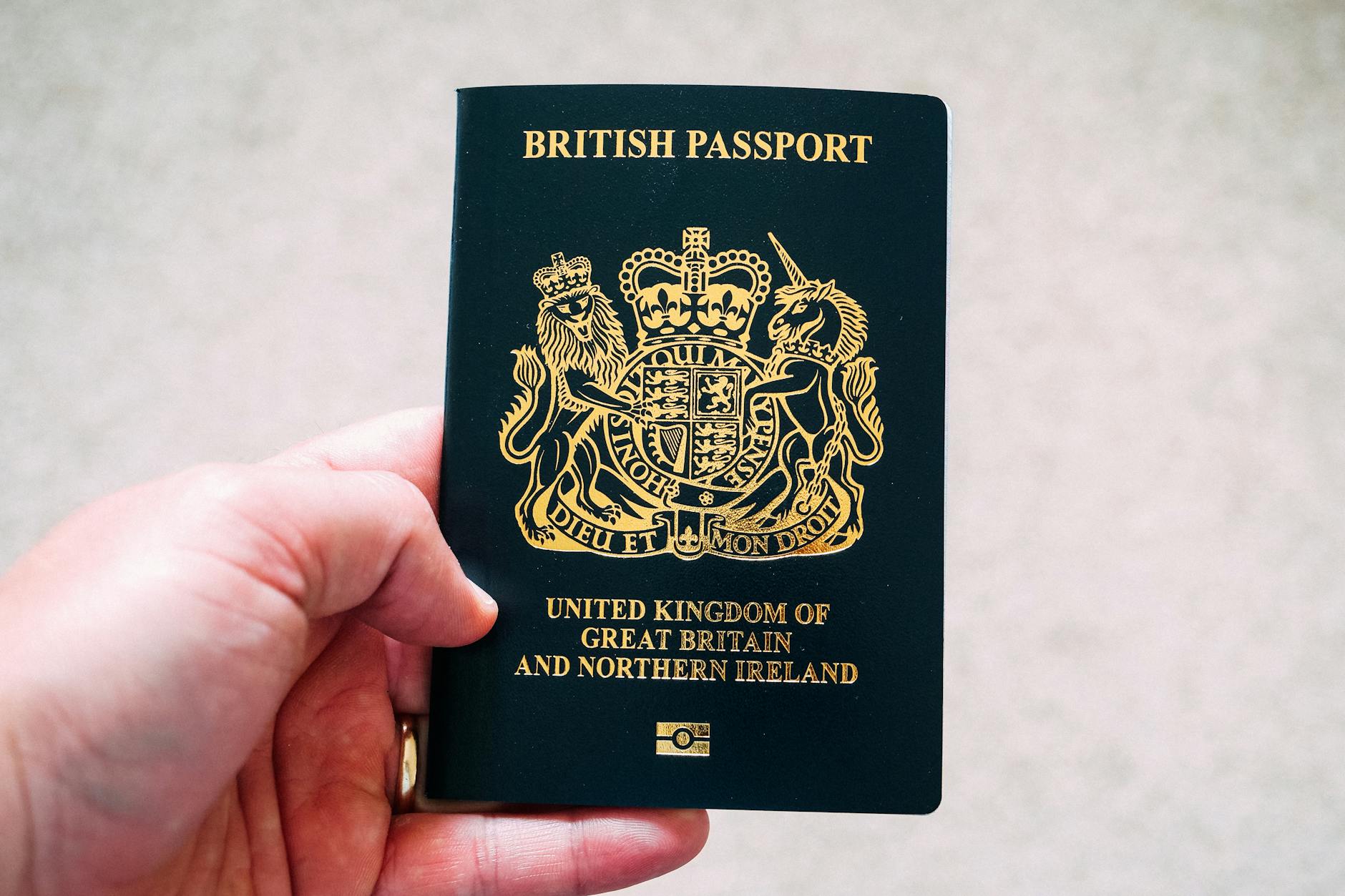
Hidden Costs of Studying in the UK: Immigration Health Surcharge, Books, Travel, and Emergency Fund – Annual Budgeting Guide
The hidden costs of studying in the UK are outlays that fall outside standard tuition fee and accommodation estimates, yet profoundly influence how international applicants structure their annual budget. For the 2025 entry cohort, the Immigration Health Surcharge (IHS) alone introduces a statutory cost of £776 per year for every student visa holder, a figure confirmed in the Home Office’s immigration fees schedule that came into force on 6 February 2024. When that sum is placed beside textbook expenditures, travel patterns, and the financial buffer required for unplanned events, an applicant’s realistic outgo can exceed the baseline living-cost calculations used in visa decisioning by several thousand pounds. A clear, line‑by‑line understanding of these ancillary amounts—grounded in data from UK Visas and Immigration (UKVI), the Higher Education Statistics Agency (HESA), QS, Times Higher Education (THE), and Universities UK—allows prospective students to build a budget that aligns with both Home Office evidentiary requirements and the actual rhythm of academic life on a British campus.
FAQ
What is the Immigration Health Surcharge and how much will international students pay in 2025?
The Immigration Health Surcharge is a mandatory fee levied on most non‑European Economic Area nationals who apply for a UK student visa. It entitles the holder to access the National Health Service (NHS) on the same terms as a permanent resident, covering general practitioner consultations, hospital treatment, and emergency care, while excluding charges for prescriptions, dental treatment, and optical services. Under the Home Office schedule revised in February 2024, the annual student IHS rate rose from £470 to £776 per annum for every applicant and dependant. The surcharge is not paid yearly; instead, the applicant must settle the total amount for the entire grant of leave at the point of application. When the Home Office calculates the aggregate charge, it counts the period of leave granted—not the academic course length—rounding partial periods of six months or more up to a full year and disregarding anything shorter than six months. A typical undergraduate offer holder admitted to a three‑year Bachelor of Arts programme might receive a visa valid for three years and four months to account for the pre‑study arrival window and a brief period after the course end date. That four‑month tail means the total Immigration Health Surcharge is assessed on 3.5 years: 3.5 multiplied by £776 equals £2,716, payable as a lump sum alongside the visa application fee. For graduate‑route students, the Post‑Graduate visa IHS is identically priced at £776 per year, and from 2025 onward the same rate applies to dependants of students, removing the previous differential. Because the surcharge appears only at the visa‑submission stage, applicants who model their budget purely on university‑issued cost of attendance estimates frequently discover an unaccounted charge of over £2,500, even before factoring in the separate application fee, which held at £558 for a standard student visa in the first half of 2025. The Home Office’s immigration rules make no provision for waivers outside specific public‑health scholarships; students are therefore advised to treat the IHS as a firm pre‑departure line item rather than a discretionary expense.
How much do textbooks, equipment, and academic materials typically cost each year?
Course‑specific academic resources represent another category that official living‑cost guidance does not explicitly itemise. The Home Office maintenance requirement—£1,023 per month for study outside London and £1,334 inside the capital—encompasses accommodation, food, utilities, local transport, and modest incidental spending, but it carries no dedicated allowance for textbooks, specialist software licences, laboratory coats, or art‑supply kits. Survey evidence collected by Universities UK and published through the #StudentsDeserveBetter cost‑of‑living campaign, together with polling conducted by the National Union of Students, indicates that undergraduates in the United Kingdom allocate approximately £35 to £45 per month on physical and digital learning resources. Extrapolated across a standard 10‑month academic year, that range translates to an annual outlay of £350 to £450 for reading lists, e‑textbook subscriptions, and basic stationery. Meanwhile, QS Top Universities, in its International Student Survey 2024‑cycle data, reports that overseas learners typically budget between £400 and £600 per year for books and printed materials, with science, technology, engineering, and mathematics (STEM) students often exceeding the upper bound because they must purchase specialised simulation software, durable laboratory manuals, or hardware prototyping kits. Times Higher Education’s Student Living Cost Index similarly suggests that an incoming international student should anticipate approximately £500 per academic year for course materials, rising to £700 for art and design programmes that require high‑expenditure consumables. It is worth noting that these averages do not include the upfront purchase of a laptop or tablet, which the majority of UK higher‑education institutions list as an essential item in pre‑arrival checklists; market prices for a mid‑range device capable of running university‑supported software sit between £600 and £1,000, although many students import a device from their home country. University libraries exercise collective purchasing agreements that provide free digital access to thousands of journals and e‑books, which partially contain costs, but many modules still prescribe core texts that are not available through institutional licences and must be bought or rented. The pressure on term‑time budgets is sharpest during the first semester, when reading lists are released and second‑hand book exchanges have not yet accumulated circulating copies. Consequently, a prudent annual projection for course materials should land at £450 to £600, and an applicant whose discipline is laboratory‑intensive or studio‑based would benefit from earmarking the higher figure.
What annual travel expenses should an international student expect?
Travel expenditure forms a third element routinely omitted from standard cost‑of‑attendance templates. The Home Office maintenance calculation covers daily commuting within a city or town, such as bus passes or short train journeys to campus, but it does not incorporate the cost of holiday travel, mid‑session journeys to visit family, or the international round trip that bookends many students’ academic cycles. QS’s aggregated living‑cost data for international students in the United Kingdom estimates that yearly travel outgoings—excluding the initial arrival flight—average between £700 and £1,100, with the midpoint around £850. A significant driver of this figure is the return flight to the student’s country of origin. An economy‑class round trip between London and a major gateway city in China, such as Beijing or Shanghai, can cost between £600 and £1,200 depending on seasonality, booking horizon, and whether the route is direct. For students from the Gulf Cooperation Council states, comparable return fares typically sit between £400 and £800, and for those from Southeast Asian hubs such as Bangkok, Kuala Lumpur, or Jakarta, the range is broadly similar, though often punctuated by promotional fare windows offered by Middle Eastern carriers. In addition to cross‑border journeys, students commonly undertake domestic leisure travel during reading weeks and university breaks. VisitBritain’s inbound‑tourism analysis indicates that international students are among the most active users of the National Rail network outside peak commuter hours, particularly on routes connecting university cities with London, Edinburgh, or coastal destinations. A 16–25 Railcard, which costs £30 per year and is available to full‑time international students, reduces most fares by one‑third; yet even with the discount, a single return trip from Manchester to London purchased close to the travel date can exceed £70. Repeating such a trip three or four times in an academic year, along with shorter excursions to regional attractions, can readily accumulate £300 to £500 in domestic rail spend. Combined with the international segment, the typical full‑year travel outlay for an internationally mobile student, who travels home once and takes a handful of UK breaks, lands between £800 and £1,200. Embedding a line item of £1,000 in the annual budget therefore constitutes a realistic hedge that avoids last‑minute reliance on emergency family transfers.
How large should an emergency fund be while studying in the UK?
An emergency fund